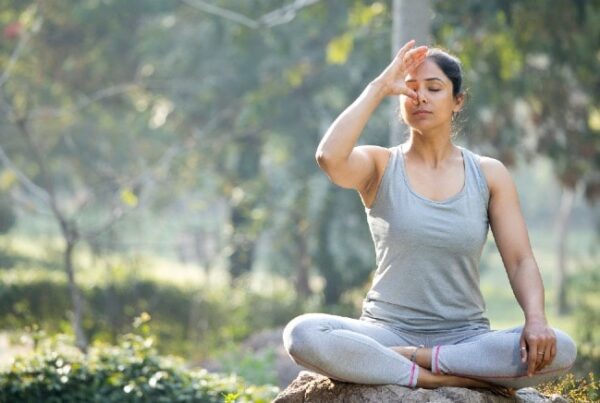
How does yoga help manage lifestyle diseases like diabetes and high blood pressure? Simple practices improve your health and well-being.
Lifestyle diseases such as diabetes and hypertension are becoming increasingly common. Poor eating habits, physical inactivity, stress, and inconsistent routines contribute to these conditions. Although medical care is essential, people increasingly turn to yoga as a natural and supportive way to manage and improve their health. Yoga is a balanced practice that combines body, breath and mind.
What do you understand by lifestyle disease?
Diabetes affects how the body processes blood sugar levels, whereas hypertension involves elevated blood pressure. The two conditions, if not managed well, may cause severe health complications. Major triggers include stress, inactivity and unhealthy habits. Yoga helps by enhancing metabolism, alleviating stress, and improving overall bodily function in a non-invasive, sustainable way.
What is the role of yoga for health promotion?
Yoga promotes conscious practice, improved breathing and emotional stability. Exercise improves blood flow, increases muscle flexibility, and strengthens internal organs. It relaxes the nervous system, which is important for regulating blood pressure and sugar levels. Yoga helps a person make healthier lifestyle choices by alleviating stress and enhancing awareness.
Yoga technique: Ardha Matsyendrasana (half spinal twist)
Formation
The practitioner sits with the legs straight, and then turns the left leg, moving the foot towards the right hip. The right foot is out of the left knee. The right hand holds behind. Breathing in, the left arm is raised; breathing out, the body is rotated to the right, with the elbow out of the knee. The back remains straight, and the eye is behind the back. Wait 5-10 breaths, then repeat on the opposite side.
Benefits
Ardha Matsyendrasana benefits the abdominal organs, such as the pancreas, which is instrumental in regulating blood sugar levels. It promotes digestion and increases metabolism. The rotational movement also improves blood flow and reduces spinal rigidity. Practice will help control diabetes and enhance balance.
Do’s and Don’ts
The twist should not be forced but done smoothly in a posture. The spine should be straight, and breathing should not be withheld. People who have severe back problems must practice under supervision. One should not make sudden or jerky movements.
Mudra: Apana mudra
Formation
The practitioner is sitting upright with a straight back. The thumb, middle finger and ring finger tips are joined lightly, with the rest of the fingers being extended. The palms are placed on the knees, facing upwards. Breathing is relaxed and natural.
Benefits
Apana Mudra contributes to the body’s natural detoxification process and to the regulation of metabolism. It helps enhance digestion and excretion, which is significant for maintaining healthy blood sugar levels. This mudra is also useful for managing blood pressure, as its calming effect alleviates stress, which in turn helps regulate it.
Do’s and Don’ts
The mudra is to be performed in a non-tense pose, without tensing the hands. It is important to maintain a calm and steady breath. Overthinking or practising while distracted should be avoided. Uniformity is important to achieve improved outcomes.
You may also like


What are the main benefits of yoga?
Yoga complements medical care, rather than substituting for it, enhancing overall lifestyle and inner balance. Through practice, one can gain more control over stress, improve metabolism, and enhance well-being. Treatment of diabetes and hypertension involves discipline, awareness and consistency. Yoga offers easy but effective means that aid this. Taking a few minutes a day can put people on the path to a healthier, more balanced, and peaceful life.